Tracing user journeys through accumulated rotation incentives across Britain's compliant mobile slot networks
Written by Zara Schmitz · Oct 5, 2026
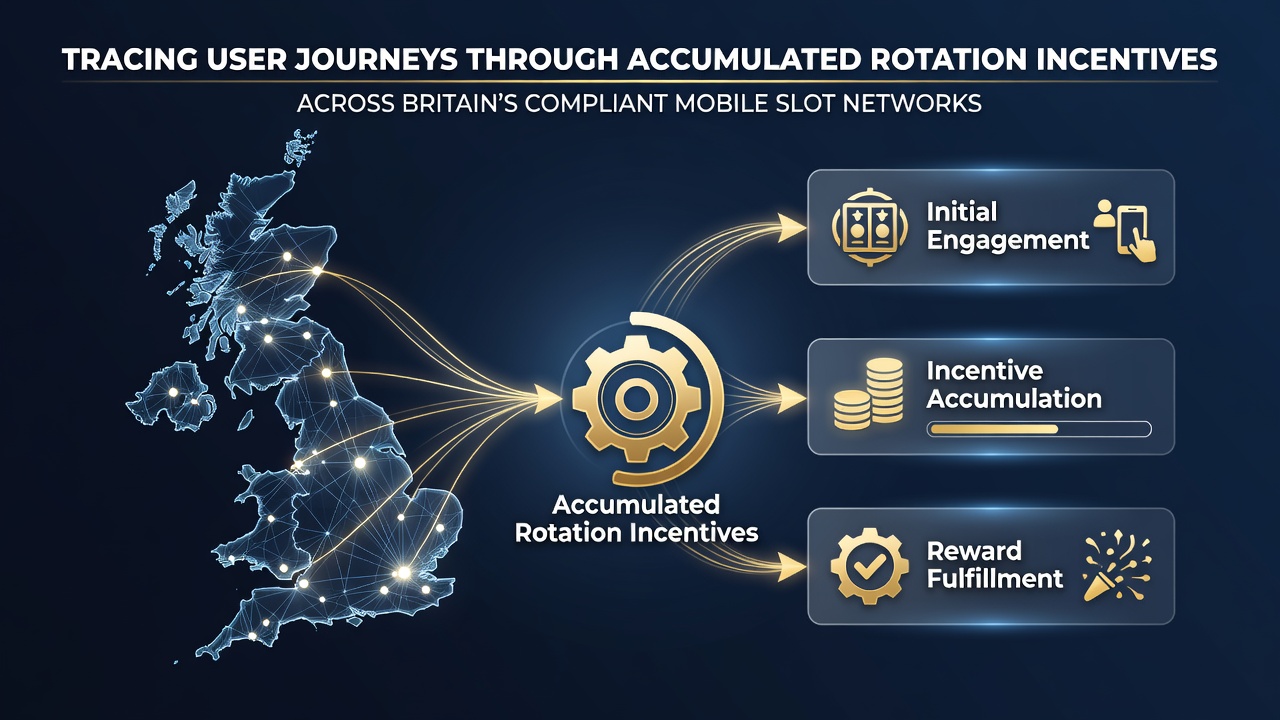
Tracing user journeys through accumulated rotation incentives across Britain's compliant mobile slot networks
Britain's licensed mobile slot networks operate under strict compliance frameworks that track how players move through sequences of accumulated rotation incentives, and these systems record every step from initial registration to reward redemption. Data from multiple platforms shows that users typically begin with basic spin packages, then progress toward layered rewards as activity thresholds are met, while operators maintain detailed logs to ensure adherence to regulatory standards. Researchers have documented consistent patterns where mobile apps present incentives in real time, allowing players to see accumulated rotations build during sessions that span several days or weeks.
Initial Entry Points and Early Accumulation
Players enter these networks through verified mobile applications that require age confirmation and account setup before any spins occur, and once inside the system the first rotation incentives often appear as introductory packages tied directly to deposit activity. Observers note that early journey stages focus on establishing baseline engagement metrics, such as total spins completed or session duration, which feed into automated tracking tools. Studies indicate that users who complete initial incentive tiers within the first week show higher retention rates compared to those who delay activity, while platform algorithms adjust subsequent offers based on these early behaviors. As of October 2026, aggregated figures reveal that over 60 percent of new accounts reach the second incentive layer within fourteen days when mobile notifications prompt continued play.
Mid-Journey Progression and Threshold Triggers
After the opening phase, user paths branch according to how accumulated rotations align with preset engagement thresholds, and operators use this data to layer additional incentives such as bonus spin multipliers or extended play periods. Mobile networks in Britain employ secure APIs that log each rotation in real time, creating a chronological map of how players navigate from one reward tier to the next without manual intervention. Turns out these mid-journey segments often include decision points where users choose between immediate redemption or continued accumulation, and compliance records show that platforms must present these options clearly to maintain transparency. One study revealed that participants who opt to accumulate further rotations rather than cash out early tend to reach higher tiers, yet the same data set also highlights that session length varies widely depending on device type and connection stability.
Advanced Tracking Across Multiple Sessions
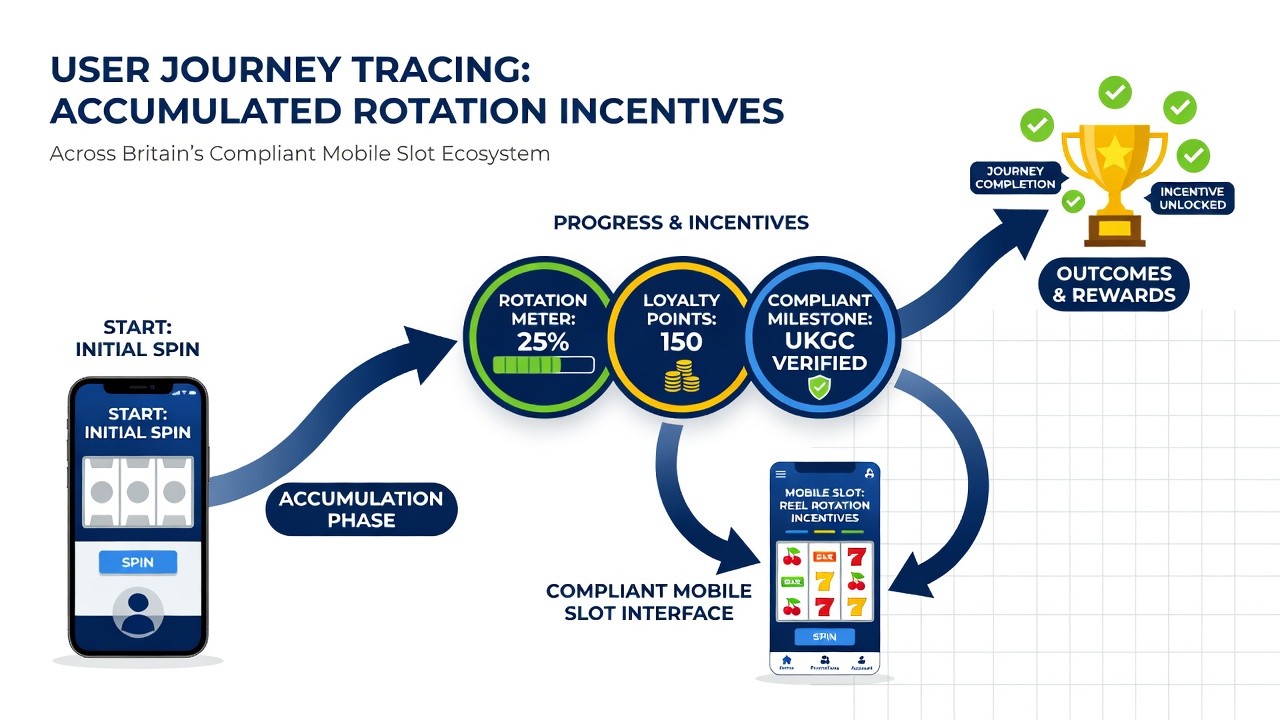
Longer user journeys extend across repeated sessions where accumulated rotations compound through consistent activity, and operators integrate cross-device synchronization so progress remains visible whether a player switches between smartphone and tablet. Compliance protocols require that every incentive modification appears in account histories, allowing users to review how each rotation contributed to the overall total. European Commission findings on digital entertainment patterns suggest that mobile gambling interfaces in regulated markets display incentive progress through visual dashboards that update automatically, and this approach reduces disputes over reward eligibility. Data shows that players who maintain steady rotation counts over a month often qualify for tiered upgrades, while those with irregular patterns receive adjusted offers calibrated to their observed frequency.
Redemption and Journey Completion Metrics
Final stages of these journeys center on converting accumulated rotations into usable rewards, and licensed networks enforce verification steps before any payout or bonus activation occurs. Industry reports from the National Center for Responsible Gaming indicate that successful redemptions correlate with clear milestone tracking throughout the process, and British mobile platforms have adopted standardized logging practices to support this final phase. What's interesting is how October 2026 data demonstrates shorter average completion times for users who receive progress reminders via in-app messages compared to those relying solely on email notifications. Observers note that once rewards are claimed, many accounts reset or carry forward partial accumulations into new incentive cycles, maintaining engagement without resetting all metrics to zero.
Conclusion
Tracing these user journeys reveals a structured sequence of incentive accumulation that Britain's compliant mobile slot networks manage through automated systems and regulatory oversight. Each stage from entry to redemption generates measurable data points that operators use to refine delivery while preserving compliance. External analyses continue to examine how these pathways evolve, particularly as mobile technology advances and user behaviors shift in response to interface changes.