The Role of Game Volatility in Shaping Introductory Play Extensions Across Digital Slot Platforms
Written by Sage Braun · Nov 2, 2026
The Role of Game Volatility in Shaping Introductory Play Extensions Across Digital Slot Platforms
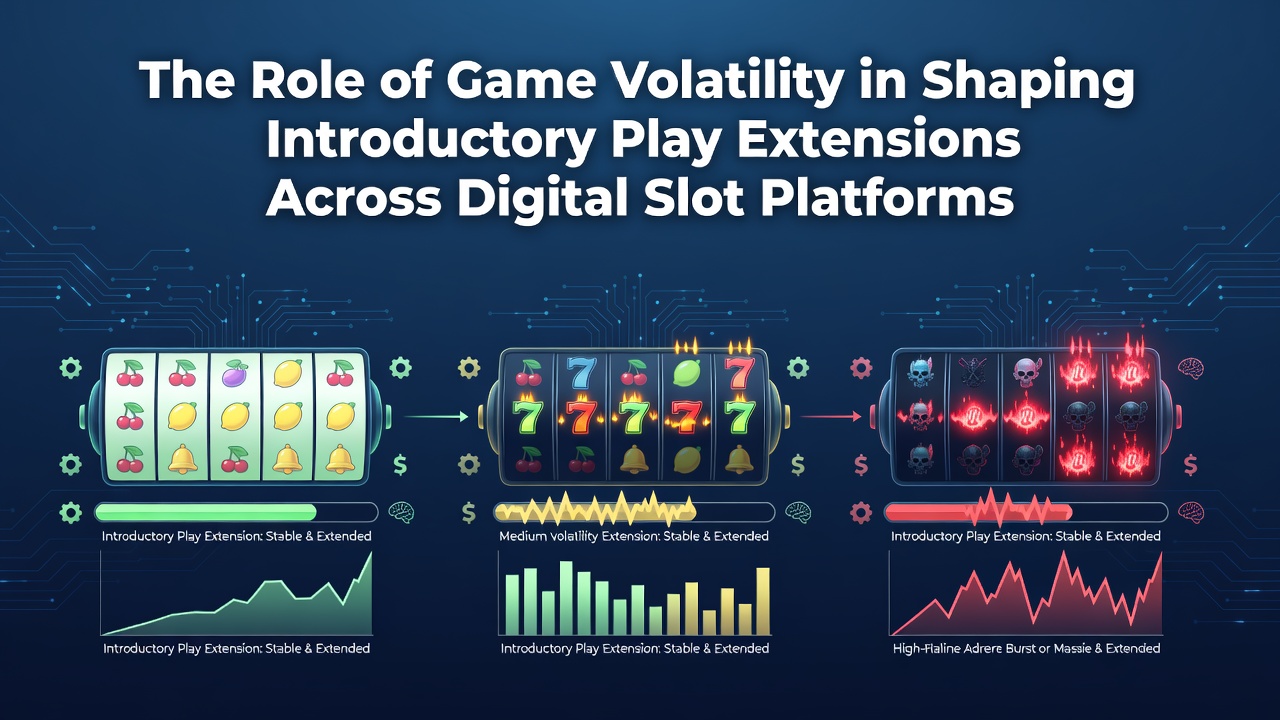
Game volatility determines the frequency and size of payouts in digital slot titles, and operators adjust introductory play extensions accordingly to balance risk exposure with player acquisition goals. High-volatility games deliver infrequent but substantial wins, so platforms often pair them with smaller initial free spin allocations or deposit-matched credits that extend session length without inflating jackpot exposure too quickly. Low-volatility titles produce steady smaller returns, which allows sites to offer larger bundles of introductory spins since the expected value remains more predictable across many rounds.
Defining Volatility Categories in Modern Slot Libraries
Industry analysts classify volatility into three main tiers based on return-to-player variance data compiled from thousands of game sessions. Medium-volatility options sit between the two extremes and frequently receive balanced extensions that combine modest free spin quantities with modest cashback percentages. Data from the New Jersey Division of Gaming Enforcement shows that titles tagged high volatility accounted for 38 percent of new game launches in the first half of 2026, prompting platforms to refine bonus mechanics around those releases.
How Introductory Extensions Adapt to Volatility Metrics
Operators review mathematical models before setting bonus parameters, and they calibrate maximum win caps or wagering multipliers differently for each volatility band. High-volatility slots often carry stricter win caps on free spin rounds because a single large payout could exceed the intended acquisition cost. Low-volatility games meanwhile support higher caps since outcomes distribute more evenly, reducing the chance of outsized early wins that deplete promotional budgets.
Researchers tracking player retention across multiple jurisdictions note that extensions tied to volatility labels influence deposit conversion rates within the first 48 hours. Platforms therefore test segment-specific offers, such as volatility-filtered free spin lobbies that appear only after a player selects a preferred game type during registration.

Regional Regulatory Frameworks and Volatility Disclosure
Regulators in several markets require operators to publish volatility indicators alongside game rules, and this transparency affects how introductory offers are marketed. The Australian Communications and Media Authority updated its disclosure guidelines in late 2025, requiring clearer labeling that operators now incorporate when designing welcome packages. Similar requirements exist in parts of the European Union where consumer protection directives emphasize informed decision-making before bonus acceptance.
Platforms respond by embedding volatility filters inside bonus claim flows, allowing users to preview expected session length before committing funds. These tools emerged more widely after November 2026 when several licensing bodies began auditing promotional fairness metrics tied directly to volatility categories.
Player Segmentation and Extension Customization
Analytics teams segment users according to historical volatility preferences revealed through gameplay logs. High-volatility seekers receive extensions that emphasize jackpot-chasing mechanics such as extra spins on progressive titles, while low-volatility players encounter offers built around extended base-game play with steady coin returns. One study published by researchers at the University of Nevada, Las Vegas examined 12 months of session data and found that volatility-matched extensions increased average time-on-site by 22 percent compared with generic offers.
Yet platforms must also consider aggregate risk across entire player cohorts, so they apply portfolio-level adjustments that prevent over-concentration of high-volatility bonuses within any single acquisition campaign. This approach integrates data from third-party game testing labs that certify payout distributions before titles appear in promotional carousels.
Conclusion
Volatility remains a central variable in the design of introductory play extensions because it directly shapes expected value calculations and regulatory compliance thresholds. Platforms continue to refine segmentation algorithms, disclosure practices, and bonus parameters as new game releases and updated regional rules emerge. Observers tracking these developments note that the interplay between volatility metrics and promotional structures will likely grow more precise as real-time analytics capabilities expand through 2027 and beyond.