Seasonal Event Triggers Behind Progressive Access Layers in Britain's Regulated Mobile Amusement Systems
Written by Jordan Frank · Nov 16, 2026
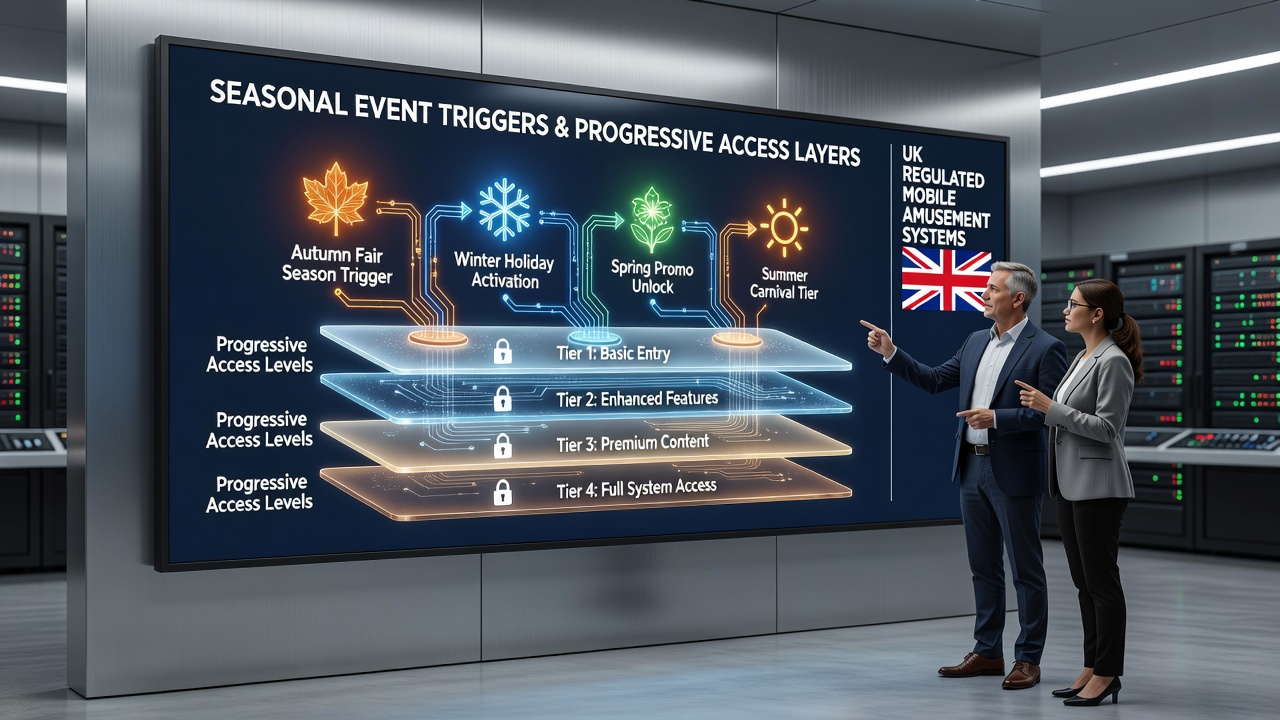
Seasonal Event Triggers Behind Progressive Access Layers in Britain's Regulated Mobile Amusement Systems
Seasonal events shape how progressive access layers activate within Britain's regulated mobile amusement systems because operators align bonus structures and tiered entry points with calendar-based triggers that include holidays and promotional windows, and data from multiple industry analyses confirm these alignments produce measurable shifts in user progression rates. Systems rely on algorithms that monitor play volume alongside event markers so that access expands or contracts in response to dates such as summer festivals or winter celebrations while remaining compliant with existing licensing conditions.
Mechanics of Progressive Access Layers
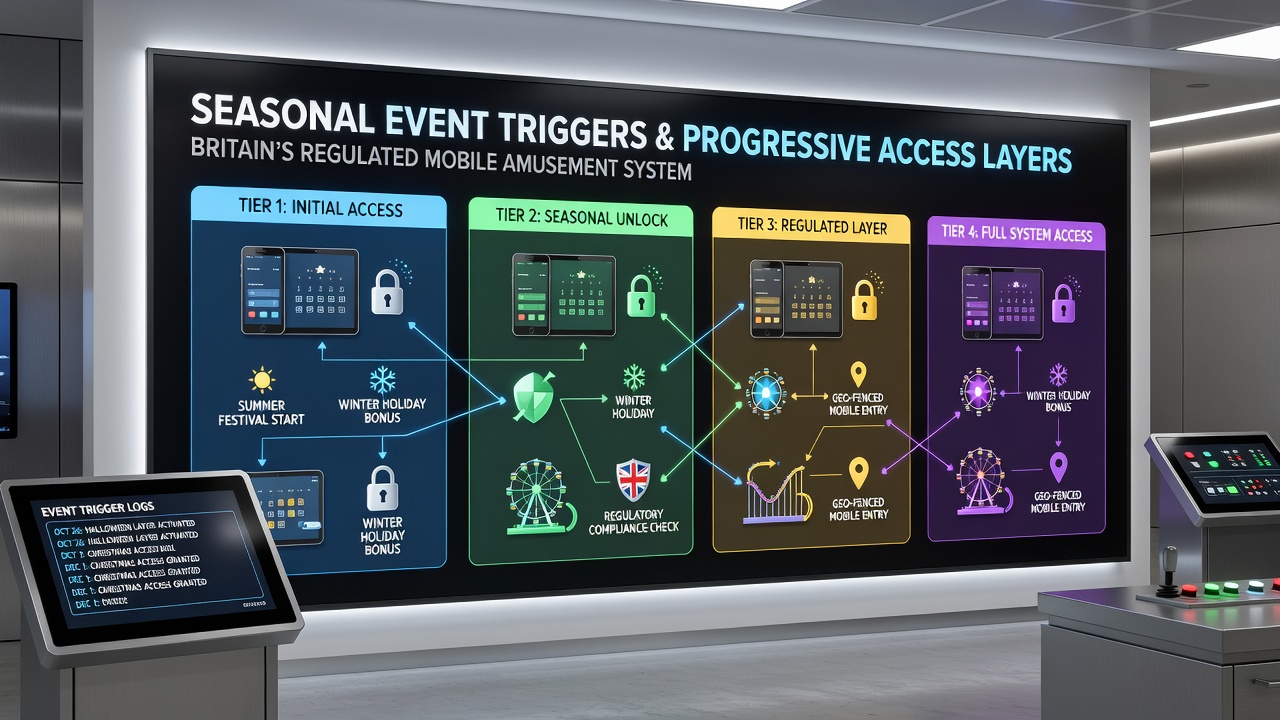
Progressive access layers function as sequenced entry points that grant additional features once predetermined thresholds are met, and researchers tracking mobile platforms note that these thresholds often incorporate time-sensitive multipliers during seasonal periods. Operators adjust rotation counts, feature unlocks, and reward multipliers through backend rules that reference both accumulated activity and external calendars, which means a player who reaches a base tier in October may encounter accelerated advancement when November promotions activate. Evidence from platform audits shows that such layering maintains separation between standard and elevated access while preventing any single event from overriding the overall regulatory framework that governs deposit handling and play limits.
Calendar-Based Triggers and November 2026 Patterns
November stands out in annual cycles because pre-holiday campaigns frequently overlap with retail surges and digital engagement peaks, and observers tracking 2026 schedules report that several platforms schedule layer expansions to coincide with Black Friday windows and early festive build-up. These expansions typically involve incremental increases in available spins or extended session allowances that scale according to prior engagement levels, yet they operate under fixed rules that cap total exposure regardless of seasonal intensity. Studies examining similar periods in prior years indicate that the combination of external shopping events and in-app prompts produces higher layer progression among users who already participate in loyalty programs, while new entrants encounter the same gated structure without accelerated entry.
Regulatory Oversight and Compliance Requirements
British mobile amusement systems operate under licensing regimes that require transparent disclosure of how seasonal adjustments affect access layers, and external reviews from bodies such as the Responsible Gambling Council have documented the need for consistent application of time-based rules across all calendar periods. Compliance documentation must detail the logic behind any multiplier applied during events, which ensures that progressive layers remain predictable for users and auditable by authorities. Data compiled across multiple licensed operators reveal that November adjustments rarely deviate from established formulas even when external retail activity intensifies, because regulatory filings mandate advance notification of any calendar-linked changes.
Technical Implementation Across Platforms
Backend systems integrate seasonal calendars through scheduled code updates that reference both historical performance metrics and projected engagement curves, and analysts who examine these deployments note that the process involves testing layer accessibility under simulated event conditions before live activation. Mobile applications push notifications and interface modifications at precise timestamps, which means a progressive tier unlocked in early November can carry forward with adjusted parameters into December without resetting prior progress. Platform logs examined in independent assessments show that these technical handoffs maintain session integrity while applying seasonal modifiers only to eligible accounts, thereby preserving the distinction between standard play and elevated access throughout the event window.
Observed Effects on Engagement Metrics
Industry reports compiled from aggregated user data indicate that seasonal triggers correlate with increased layer advancement during defined windows, yet the magnitude of change varies according to baseline activity levels recorded in preceding months. Platforms that introduce temporary multipliers tied to events such as November promotions record higher completion rates for mid-tier milestones among returning users, while overall session duration remains bounded by existing responsible gaming parameters. Figures released in comparative studies demonstrate that the same layering mechanics produce different progression speeds when applied across distinct seasonal contexts, confirming that calendar alignment serves as one variable among several that influence access outcomes.
Future Considerations for Layer Design
Developers continue to refine how seasonal markers interact with progressive systems, and ongoing evaluations from academic groups such as the University of Sydney Gambling Research Unit examine whether additional safeguards are required when multiple events cluster within short timeframes. November 2026 preparations already incorporate lessons from earlier cycles, with emphasis on maintaining clear separation between event-driven adjustments and permanent rule sets. These refinements aim to keep access pathways consistent while accommodating predictable calendar fluctuations that affect mobile amusement ecosystems across Britain.
Conclusion
Seasonal event triggers remain integral to the operation of progressive access layers in Britain's regulated mobile amusement systems because they provide structured opportunities for advancement that align with broader usage patterns. Technical, regulatory, and data-driven elements combine to ensure that November 2026 activations follow established precedents while adapting to contemporary engagement trends. Observers note that continued monitoring will determine how future calendar alignments influence layer progression without altering the fundamental compliance structures that govern these platforms.