Mapping Scale-Driven Reel Reward Pathways in Regulated Mobile Entertainment Systems
Written by Jordan Frank · Sep 21, 2026

Mapping Scale-Driven Reel Reward Pathways in Regulated Mobile Entertainment Systems
Scale-driven reel reward pathways operate through structured progressions where reward tiers adjust according to cumulative spin volumes and engagement metrics within mobile platforms, and these systems integrate player activity data to determine incentive distribution across sessions. Researchers tracking these mechanisms note that pathways often begin with base-level access tied to initial deposits or free rotations before expanding into layered bonuses as total spins increase, while regulatory standards in multiple jurisdictions require transparent tracking to prevent disproportionate payouts.
Core Mechanics Behind Scaled Rewards
Mobile entertainment applications use algorithms that map reel outcomes to reward escalations, and these calculations factor in spin frequency, bet sizing, and session duration to generate personalized pathways. Data from industry reports shows that systems activate mid-tier incentives once players reach predefined spin thresholds, whereas higher scales unlock additional reel features or multiplier effects, and this progression continues through upper tiers that cap at specific regulatory limits. Observers note that such mapping ensures rewards align with sustained participation rather than isolated wins, and software providers adjust parameters quarterly based on performance analytics gathered from active user bases.
One study released by the National Centre for Responsible Gaming revealed how Canadian provincial operators implemented scale tracking in 2024, with further updates scheduled for review in September 2026 to refine threshold values. These updates aim to align reward scaling more closely with player behavior patterns observed across iOS and Android deployments.
Regulatory Oversight Across Regions
Authorities in Australia through the Australian Communications and Media Authority enforce disclosure rules on reward pathways, requiring operators to publish clear explanations of how scale factors influence reel bonuses in mobile applications. Similar requirements appear in European markets where national gaming boards mandate audit trails for every tier transition, and compliance teams verify that no pathway bypasses responsible gaming controls. In the United States, state-level commissions in New Jersey and Pennsylvania review mobile system designs before licensing, focusing on whether scale-driven elements remain within approved mathematical models.
Data Patterns and Engagement Thresholds
Figures from academic analyses indicate that average mobile users encounter their first scaled reward after approximately 150 spins in regulated environments, while subsequent tiers activate at 400 and 750 spin marks respectively. These benchmarks vary by operator yet follow consistent patterns documented in peer-reviewed papers on digital gaming dynamics. What's notable is how mobile interfaces display progress bars that update in real time, allowing users to visualize pathway advancement without disrupting gameplay flow.
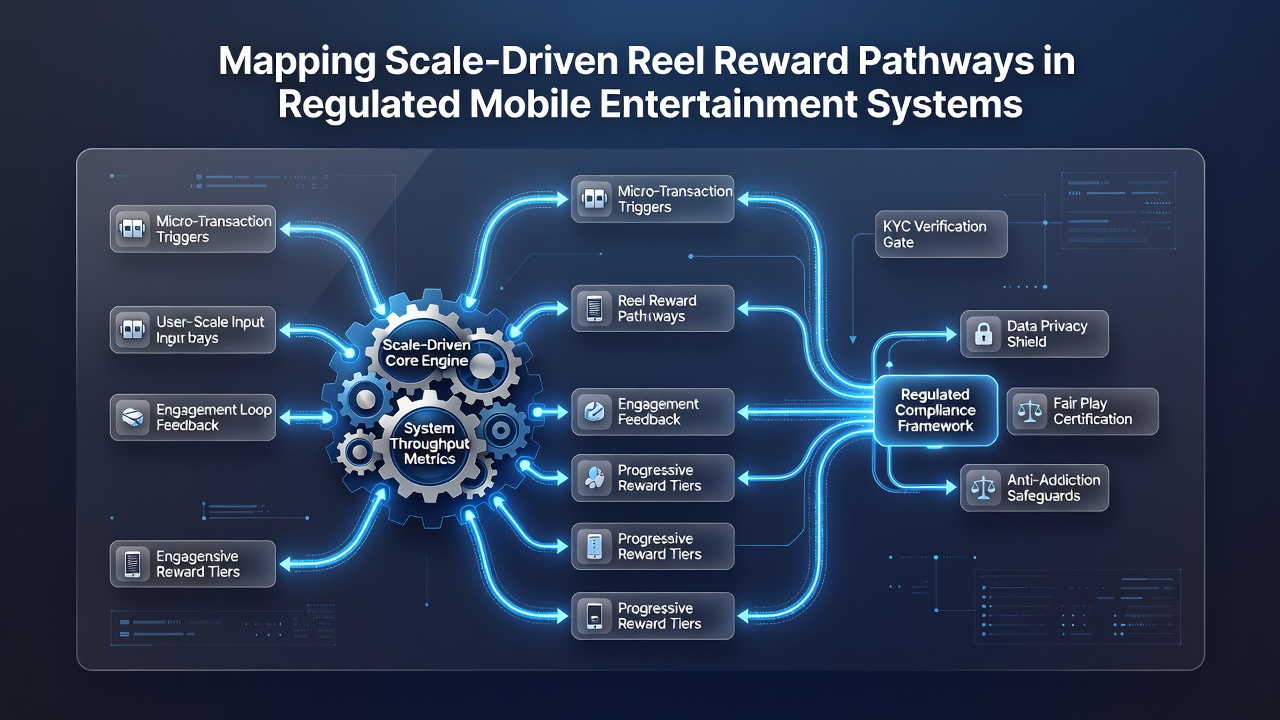
Systems also incorporate session caps that pause scaling during extended play periods, and this safeguard appears in multiple licensing conditions worldwide. Research from the University of Sydney's Gambling Research Centre demonstrates that such interruptions reduce variance in reward distribution, and operators report improved retention metrics when pathways include these regulatory pauses.
Technical Implementation in Mobile Environments
Developers integrate API connections between reel engines and backend reward servers, enabling dynamic recalculation of scale factors as user data streams in continuously. These connections support cross-device continuity so that pathways remain consistent whether accessed via smartphone or tablet, and encryption standards protect the underlying mapping logic from tampering. Industry associations such as the European Gaming and Betting Association have published technical guidelines that detail minimum encryption levels and audit frequencies for these integrations.
Case examples from licensed operators show that pathway resets occur at the start of each calendar month, resetting accumulated spin counts while preserving historical data for compliance reporting. This monthly cycle aligns with financial reconciliation processes and prevents indefinite accumulation of high-tier access.
Conclusion
Mapping scale-driven reel reward pathways requires coordinated efforts between software engineers, regulatory bodies, and data analysts to maintain balance across mobile entertainment systems. Evidence from multiple regions confirms that structured scaling supports both operational integrity and user engagement when implemented within established compliance frameworks, and ongoing reviews scheduled through 2026 will likely introduce further refinements to these models.